

No products
Product successfully added to your shopping cart
There are 0 items in your cart. There is 1 item in your cart.
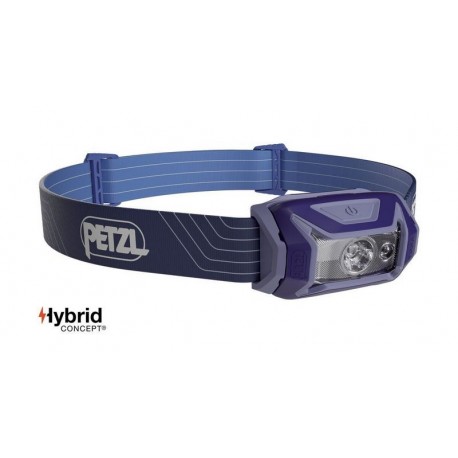
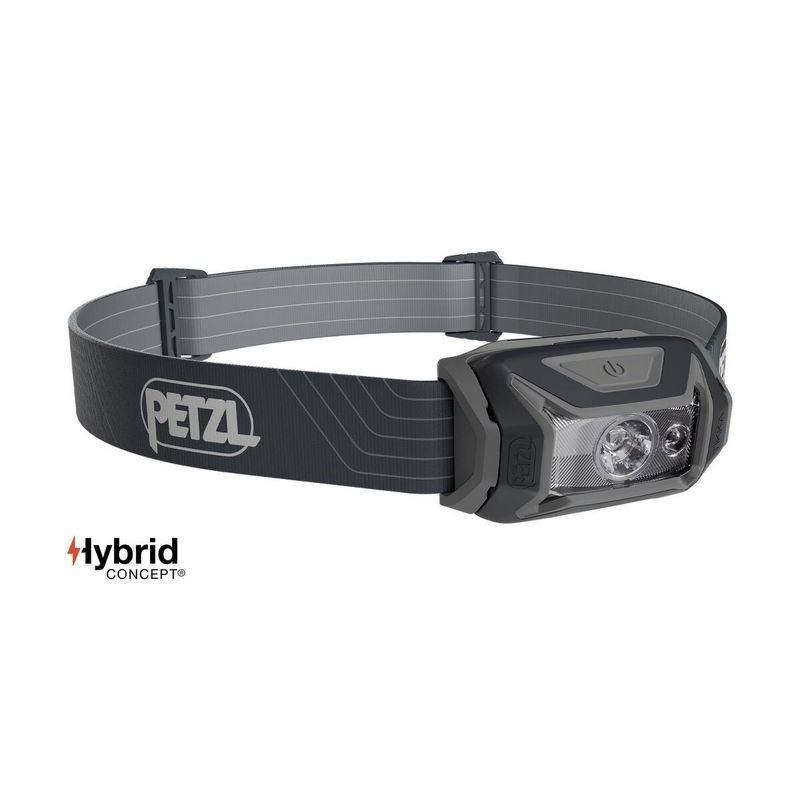
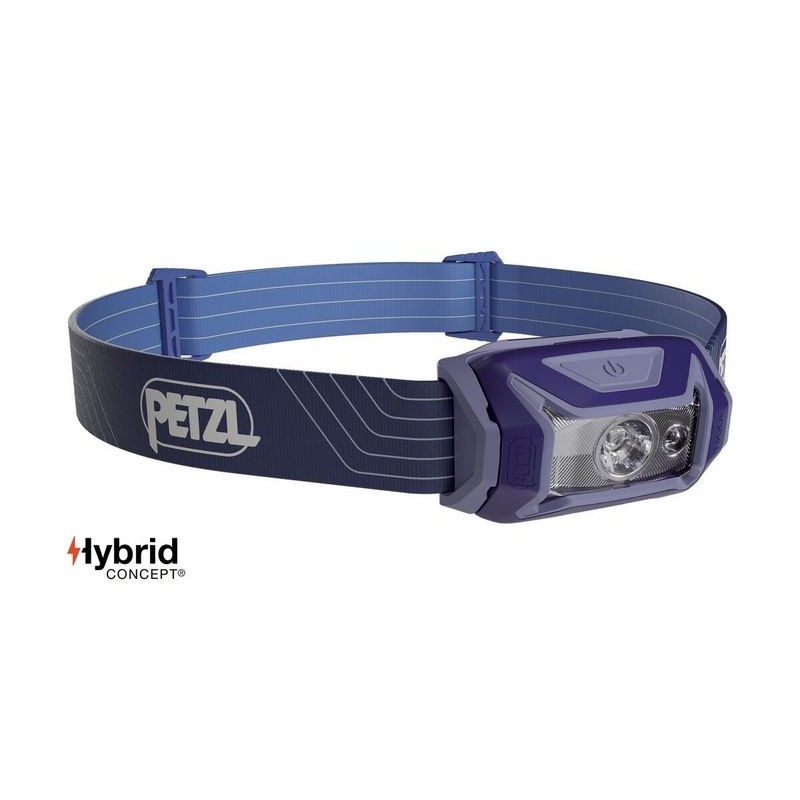
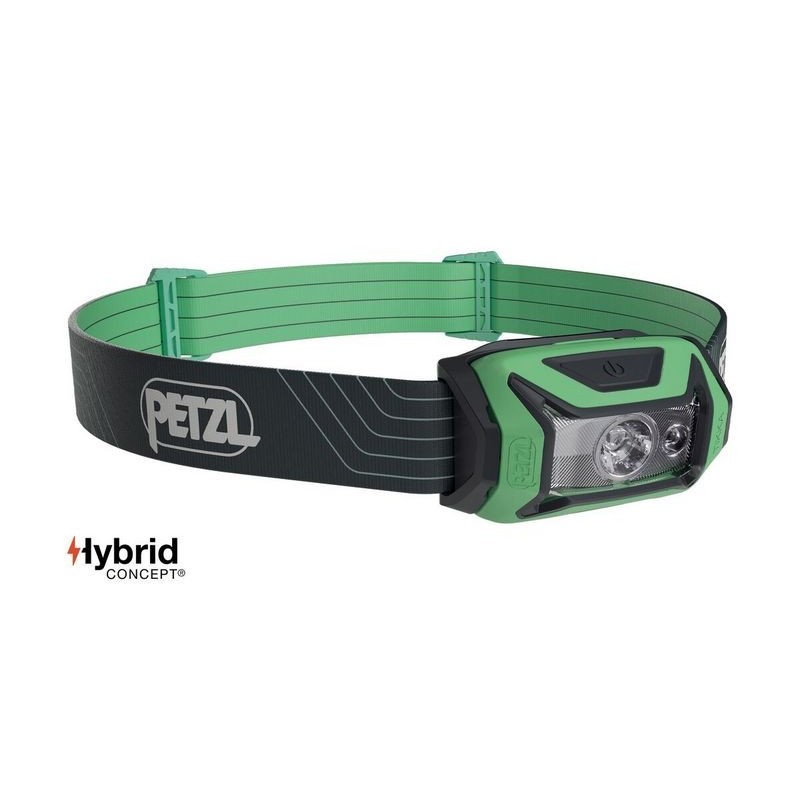
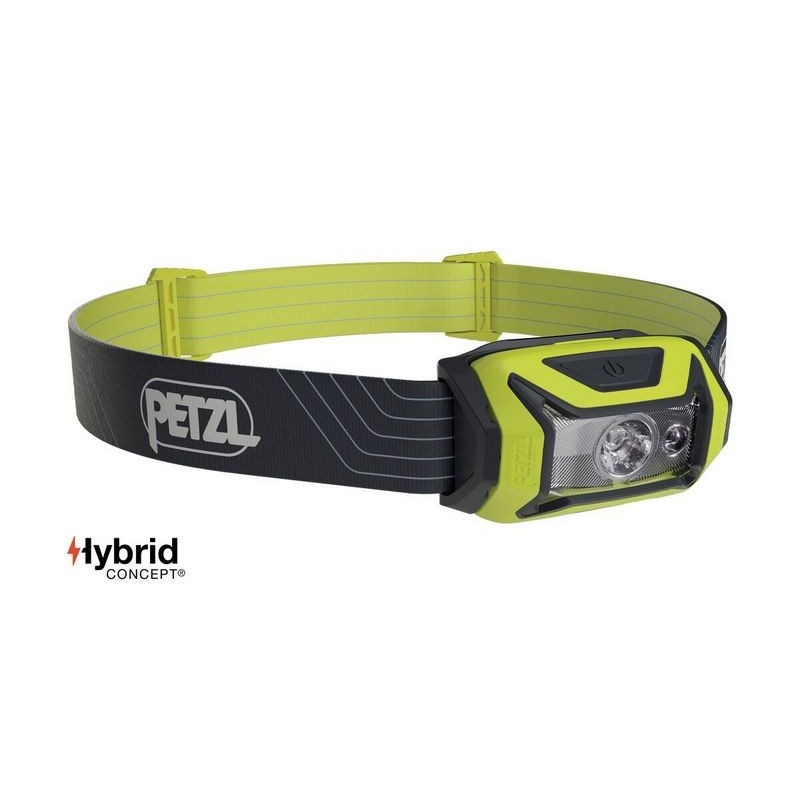
Petzl Tikka 3 headlamp
Petzl Tikka 3 Headlamp - Discover Headlamp Series
Light, compact, robust, easy to use and with comfortable lighting, the Tikka 3 Petzl headlamp will be perfect for bivouacs, camping, daily activities and travel.
It has a wide beam with three levels of lighting power that allows you to see comfortably at your fingertips or at your feet.
Steady red illumination preserves night vision.
• Lightweight: only 94g
• Maximum light output of 350 lumens (ANSI/PLATO FL 1)
• Three lighting powers (max burn time, standard and max power)
• Wide beams for proximity lighting
• Solid (discreet for group activities) or flashing red light mode
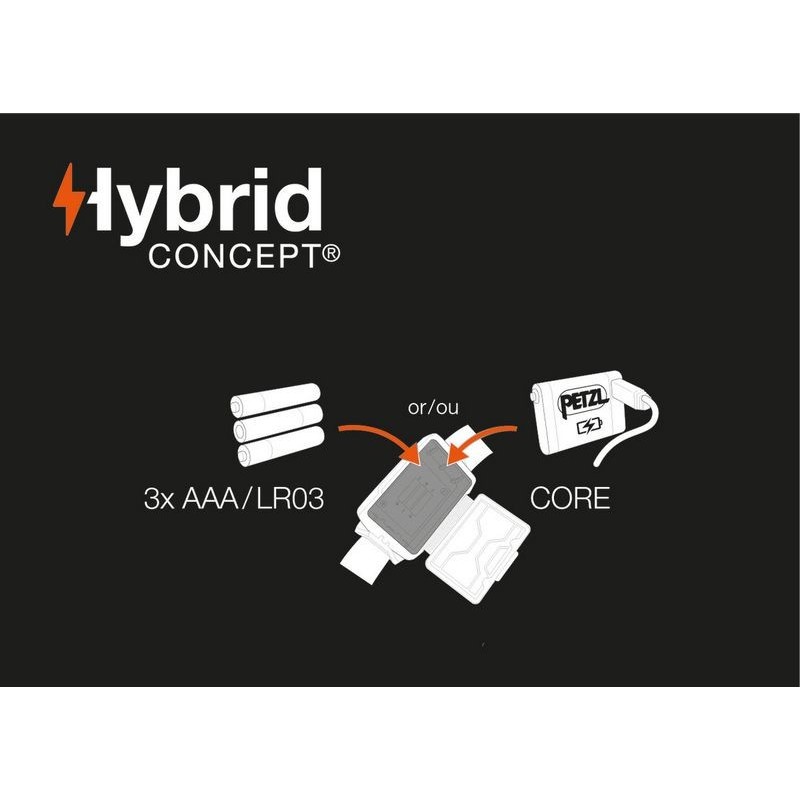
• HYBRID technology: powered by 3 AAA batteries (LR03) or by Core rechargeable battery (optional)
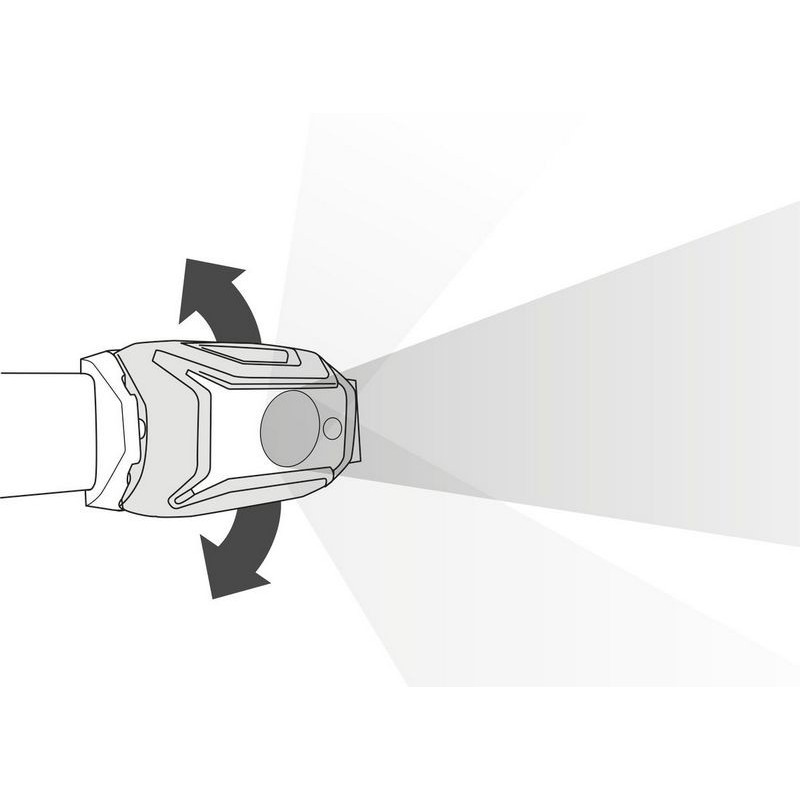
• Plate to orient the lamp head
• Indicator light on switching on and off to know the state of charge of the battery
• Button with Lock function to prevent accidental ignition
• Autonomy: up to 110h
• Power from 7 to 350 lumens and illumination from 10 to 70 meters
• IPX4 waterproofing
• Optional helmet and bike mounting accessories available: Helmet Adapt and Bike Adapt 2
Optional additional batteries for long-duration or intensive activities

9998 Items
In stock
- Write a review
- Remove this product from my favorite's list.
- Add this product to my list of favorites.
Data sheet
| Weight | 94 g |
| Guarantee | lamp: 5 years / battery: 2 years or 300 charge cycles |
| Certificates | CE |
| beam type | large |
| Max amount of light | 350 lumens |
| max distance | 70 m |
| Waterproofing | IPX4 (weatherproof) |
| Food | 3 AAA (LR03) batteries supplied or Core lithium-ion rechargeable battery (available as an option) |
| Battery compatibility | Ni-MH or lithium |
| Manufacturer reference | E061AA00 (grey) / E061AA01 (blue) / E061AA02 (green) / E061AA03 (yellow) |
More info
• Specificities of the Tikka 3 lamp:
- easy to use with just one button
- "Burn Time" mode for a long period of use
- red lighting to preserve night vision and not to be dazzled during group evolutions
- practical phosphorescent reflector to find the extinguished lamp
• Security and accessories:
- removable, washable and symmetrically adjustable headband for easy adjustment
- versatility in the choice of power supply, battery or batteries
- additional Core battery available as an option to increase autonomy: click here
- optional Noctilight case to turn the headlamp into a lantern and diffuse the light
• Lighting:
- for a short activity, favor the Max Power level to maximize the lighting power
- for an enduring or long activity, which requires good battery management, choose the Standard level which offers the best compromise between lighting power and battery life
- for an activity requiring little movement (bivouac, camping, reading), the Max Burn Time level with moderate lighting preserves the batteries or the battery
Wide beam for proximity lighting
This wide and low-power lighting allows you to see comfortably at your fingertips or at your feet.
It is ideal for looking at an object at a short distance (reading a map, making a tying knot or setting up a tent, for example).
The lighting automatically adapts to the distance of the object.
• Lighting performance according to ANSI protocol (American National Standard Institute):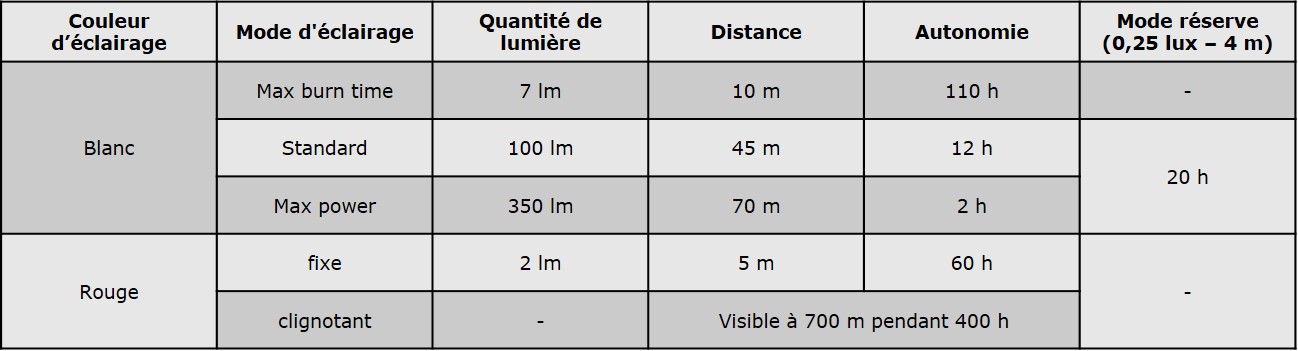
Petzl follows the ANSI/PLATO FL 1 protocol to measure and communicate on the lighting power and the autonomy of its headlamps. This approach allows you to easily compare the performance of different models of headlamps from Petzl and other manufacturers who adopt this protocol, using the same benchmark.
• Lighting power (in lumens)
This measurement is carried out between 30 seconds and 2 minutes after lighting the lamp. It indicates the maximum power emitted, with new cells or batteries, when the lamp is started.
• Lighting distance (in meters)
This is the maximum distance between the lamp and the place where only 0.25 lux of illumination remains. The measurement is carried out on ignition with new cells or batteries. The lighting distance depends directly on the lighting power, but above all on the shape of the beam.
• Autonomy (in hours)
It corresponds to the duration during which the lighting is optimal, from the ignition of the lamp until reaching 10% of the maximum power. Below this power, we switch to the "lighting reserve" phase.
• The lighting reserve (in hours)
The lighting reserve guarantees minimum operating or safety lighting.
Reviews
Accessories
Core Petzl rechar...
30,00 €Petzl Noctilight ...
17,10 €Petzl Crochlamp S...
5,00 €Petzl Crochlamp L...
10,50 €Uni Adapt front h...
9,99 €Shell LT case Petzl
6,00 €Bike Adapt 2 Petz...
14,99 €Tikkina/Tikka/Act...
10,00 €Helmet support ad...
10,00 €


